Mining Dust Suppression in Underground Operations: A Practical Guide for Indian Mine Owners (2026)
Category: Mining Equipment | 17 August 2026
TL;DR:
- Effective mining dust suppression protects worker health and extends equipment life
- Water spray systems, ventilation, and enclosed cabins are proven dust control methods
- Regular maintenance and operator training reduce dust-related downtime by up to 40%
Why Dust Suppression Matters in Indian Underground Mines
Mining dust suppression isn't just about compliance—it's about keeping your crew safe and your machines running. In underground coal and metal mines across Jharkhand, Chhattisgarh, and Odisha, poor air quality causes respiratory diseases, equipment breakdowns, and production losses that cost lakhs every month.
When dust particles settle on hydraulic components and electrical systems, they accelerate wear. Visibility drops. Operators struggle. Maintenance costs climb. The solution? A systematic approach to underground air quality control that protects both people and machinery.
Where Does Mining Dust Come From?
Understanding dust sources helps you target your suppression efforts:
- Drilling and blasting operations – Primary dust generators during rock fragmentation
- Material handling and loading – Dust rises when excavators and loaders transfer ore
- Conveyor transfer points – Uncontrolled drop zones create dust clouds
- Vehicle movement – Haul trucks and dump trucks stir settled dust on roadways
- Crushing and screening – Secondary processes that generate fine particulates
Health Risks and Operational Impacts You Can't Ignore
Dust exposure leads to silicosis, chronic bronchitis, and reduced lung function among miners. But the operational costs are equally severe. Dust-choked filters force frequent shutdowns.
Visibility issues slow production. Equipment components fail prematurely when dust enters hydraulic lines and engine intakes.
A coal mine in Raniganj reported 30% longer maintenance cycles after implementing dust control mining practices. Better air quality meant fewer breakdowns and healthier operators who could work full shifts without respiratory distress.
Proven Dust Suppression Methods for Underground Mining
Water Spray Mining Equipment
Water suppression is the most cost-effective method. Install spray systems at drill bits, conveyor transfer points, and loading zones. Automated misting systems can reduce airborne dust by 70-90% when properly configured. The key is using the right nozzle size and water pressure for your specific conditions.
Ventilation Systems
Proper ventilation doesn't just dilute dust—it removes it. Install forced-air ventilation near high-dust zones and ensure adequate fresh air reaches every working face. Regular airflow measurements help you maintain DGMS compliance and protect worker health.
Enclosed Operator Cabins
Modern mining equipment like SANY's underground loaders and excavators feature pressurized, filtered cabins that keep operators in clean air environments. These enclosed spaces reduce operator dust exposure by up to 95% compared to open-cabin designs.
Dust Collectors and Filtration
Attach dust collectors to crushing and screening equipment. High-efficiency particulate air (HEPA) filters capture fine dust before it circulates. Change filters on schedule—clogged filters reduce efficiency and increase energy costs.
Equipment Maintenance for Dust Control
Clean air filters weekly. Inspect water spray nozzles for clogs. Check cabin seals on excavators and loaders. Small maintenance tasks prevent major dust problems. Train your operators to report ventilation issues immediately.
What Indian Mine Operators Are Doing Right
A limestone mine in Satna, Madhya Pradesh, reduced respirable dust levels by 65% by combining water sprays with improved ventilation. They installed automatic spray systems at drill points and trained operators on proper water application rates.
An iron ore operation in Bellary switched to enclosed-cabin excavators and loaders. The result? Fewer operator sick days, lower turnover, and measurable improvements in productivity. When your team breathes easier, they work better.
Actionable Best Practices You Can Implement Today
- Conduct quarterly air quality assessments and track dust levels over time
- Install water spray systems at every major dust generation point
- Prioritize equipment with enclosed, filtered cabins for operator protection
- Train operators on dust suppression system operation and maintenance
- Schedule regular cleaning of ventilation ducts and cabin filters
- Use dust suppressant additives in water for longer-lasting control
The Bottom Line on Mining Dust Suppression
Effective dust control isn't an expense—it's an investment in workforce health, equipment reliability, and long-term operational efficiency. Mine operators who prioritize underground air quality control see measurable returns: lower medical costs, reduced equipment downtime, improved productivity, and better regulatory compliance.
The good news? You don't need to overhaul everything at once. Start with high-dust zones. Install water spray mining equipment where it counts most. Upgrade to enclosed-cabin machines as you replace older equipment. SANY continues to support safer underground mining through equipment designed with operator protection and dust management as core priorities—from pressurized cabins to integrated suppression systems that work in India's toughest mining conditions.
Frequently Asked Questions
What is the most effective dust suppression method for underground mines?
Water spray systems combined with adequate ventilation provide the best results. When installed at drill points, conveyor transfers, and loading zones, water sprays can reduce airborne dust by 70-90%. Pair this with forced-air ventilation for comprehensive dust control mining.
How does poor underground air quality affect equipment performance?
Dust infiltration accelerates wear on hydraulic systems, clogs air filters, and damages electrical components. Machines operate less efficiently, require more frequent servicing, and experience higher rates of unexpected failure. Proper dust suppression extends equipment life by 20-30%.
What are DGMS requirements for dust control in Indian mines?
The Directorate General of Mines Safety mandates maximum respirable dust levels of 3 mg/m³ in underground coal mines and 1 mg/m³ in metalliferous mines. Mines must conduct regular air quality monitoring and maintain suppression systems to meet these standards.
How often should water spray systems be maintained?
Inspect spray nozzles weekly for clogs and damage. Clean filters monthly and check water pressure daily. Replace worn nozzles immediately—uneven spray patterns reduce effectiveness. Regular maintenance ensures consistent dust suppression and prevents system failures during critical operations.
Can enclosed cabins completely eliminate operator dust exposure?
While enclosed, pressurized cabins with HEPA filtration dramatically reduce exposure (often by 95% or more), complete elimination requires proper cabin maintenance, intact door seals, and correct pressurization. Operators should still wear respiratory protection during cabin exit and maintenance activities.
Related Blog
Readiness for Automation in Underground Mining in India
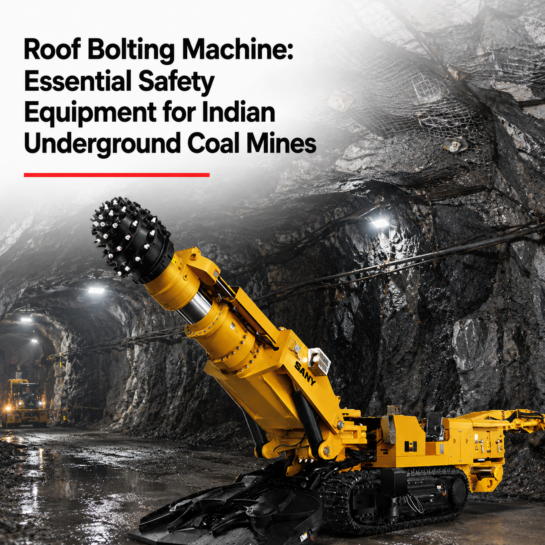
TL;DR Roof bolting machines prevent deadly roof falls by stabilizing underground mine ceilings with steel bolts and support systems Modern roof bolter rigs combine drilling, bolt installation, and safety features to protect workers in Indian coal mines Proper equipment selection, operator training, and regular maintenance are critical for safe underground mining operations Introduction Underground coal mining in India faces a serious challenge: roof falls account for nearly 40% of all fatal accidents in mines. A roof bolting machine isn't just another piece of equipment—it's a lifesaving tool that keeps mine ceilings stable and workers safe. This guide explains how roof bolting works, what makes a good roof bolter rig, and how mine operators can choose and maintain this critical coal mining safety equipment. We'll walk through everything from basic operation to maintenance schedules, with practical examples from Indian mining operations. Why Underground Rock Bolting Matters in Indian Coal Mines Think of underground rock bolting as installing a permanent ceiling support system. Indian coal mines, especially in Jharkhand, Chhattisgarh, and Odisha, often deal with weak roof strata that can collapse without warning. Rock bolting works by: Pinning loose rock layers together Creating a reinforced beam effect in the roof Distributing stress across a wider area Preventing progressive roof failure In Singareni Collieries, implementing systematic roof bolting reduced roof fall incidents by over 60% in just two years. That's lives saved and operations running smoothly. How Does a Roof Bolting Machine Actually Work? A roof bolter rig performs three main tasks in one operation. First, it drills holes into the mine roof at specific angles and depths—usually 1.5 to 2.5 meters deep. Second, it installs steel bolts (typically 20-25mm diameter) into these holes. Third, it secures everything with resin or mechanical anchors and steel plates. Modern machines can complete one bolt installation in 3-5 minutes. That's crucial when you're trying to secure a freshly cut section before miners continue work. Key Components of a Reliable Roof Bolter Rig Understanding the parts helps you evaluate equipment quality: ComponentFunctionWhy It MattersDrilling HeadPenetrates roof strataMust handle rock hardness typical in Indian coal seams (f4-f8)Hydraulic SystemPowers drilling and boltingConsistent pressure prevents bolt failurePlatform/DeckOperator working positionStability and safety features protect workersControl PanelOperation interfaceSimple controls reduce operator error Equipment like road headers with integrated bolting systems—such as those with cutting power ranging from 100 kW to 480 kW—can handle both excavation and immediate roof support, streamlining operations in…
Readiness for Automation in Underground Mining in India
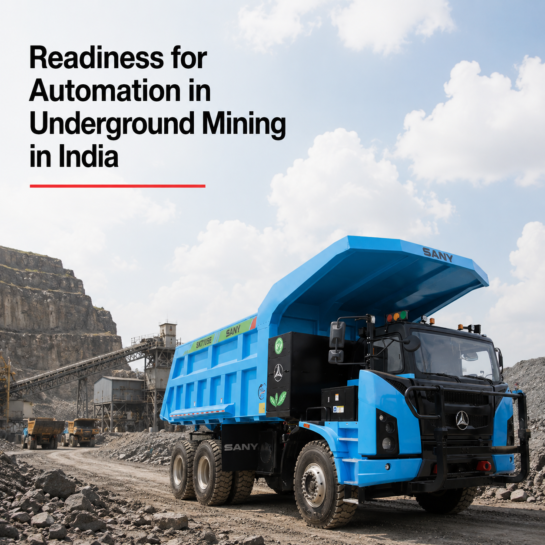
TL;DR: Mining automation India is gaining momentum, driven by safety concerns, productivity needs, and labour challenges. Technologies like autonomous underground vehicles, IoT sensors, and AI analytics are reshaping underground operations. Adoption faces hurdles including infrastructure gaps, capital costs, and workforce readiness. Successful automation requires gradual implementation aligned with operational goals and business strategy. Smart mining technology is the future, with equipment providers like SANY enabling safer, more efficient operations. Underground mining in India stands at a crossroads. While surface mining has seen steady modernization, underground operations—particularly in coal and metal mines—remain largely manual. But that's changing. Mining automation India is no longer a distant concept reserved for global giants. It's becoming a practical conversation among mine owners and contractors across Tier 2 and Tier 3 cities who want safer, more productive operations. The question isn't whether automation will arrive. It's whether Indian underground mining is ready for it. Where Does India's Underground Mining Stand Today? Most underground coal and metal mines in India still rely heavily on manual labour and conventional equipment. Productivity levels lag behind global benchmarks, and safety incidents remain a concern. While there's growing awareness about automation benefits, actual adoption is patchy. Some larger operations have started experimenting with remote-controlled equipment and basic monitoring systems. Smaller mines, however, continue to operate with minimal technology integration. The readiness gap is real, but it's closing faster than many realize. What's Driving Interest in Automation in Mines? Five major factors are pushing underground mining toward automation: Worker Safety: Underground environments are inherently hazardous. Automation reduces human exposure to dangerous zones, cutting accident rates significantly. Productivity Gains: Automated systems can operate longer hours with consistent performance, boosting output without increasing workforce size. Operational Cost Reduction: While initial investment is high, automation lowers long-term costs through better fuel efficiency, reduced downtime, and optimized equipment usage. Labour Shortages: Skilled miners are increasingly hard to find and retain. Automation fills this gap while creating new technical roles. Equipment Utilization: Smart monitoring ensures machines run at peak efficiency, extending their lifespan and maximizing return on investment. What Technologies Are Shaping Mining Automation India? Several technologies are making underground automation practical and affordable: Autonomous Underground Vehicles (AUVs): Self-driving haul trucks and loaders can navigate tunnels without human operators. They reduce collision risks and maintain consistent cycle times. Remote-Controlled Equipment: Operators can control excavators, road headers, and drilling rigs from surface control rooms, staying out of harm's…
Revolutionizing Construction: The Advantages of Electric Mining Dump Trucks
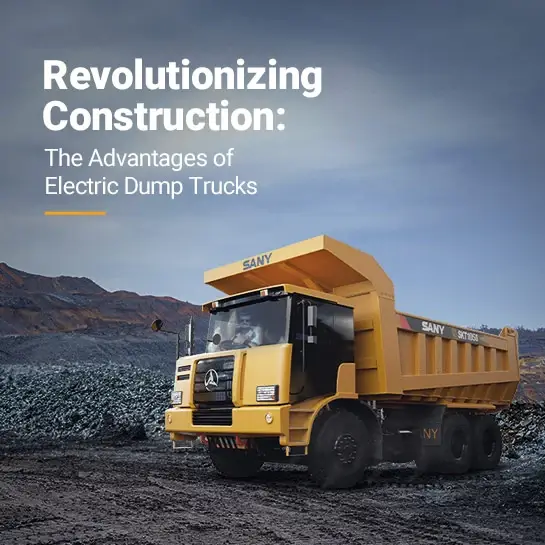
Innovation often leads the charge towards efficiency and sustainability, and this holds true in the realm of construction as well. Among these advancements, electric mining dump trucks stand out as game-changers. These trucks not only aid in transporting materials but also significantly impact the environment and project efficiency. Let's delve into their significance and how they are reshaping mining at construction sites worldwide. What Are Electric Dump Trucks? Electric dump trucks are a revolutionary adaptation of the traditional heavy-duty vehicles used in construction. They swap conventional diesel engines for electric motors powered by batteries, significantly reducing emissions and noise levels. These trucks boast robust designs and are tailored to handle the rugged demands of construction sites. From excavation to site development, electric dump trucks streamline logistics, enhancing productivity on construction projects of all scales. When applied to mining operations, these trucks facilitate efficient logistics and bolster productivity across various mining operations, from excavation to material transportation. The Multifaceted Advantages of Electric Dump Trucks in Mining Electric mining dump trucks offer a myriad of advantages beyond just environmental benefits. Their impact extends to enhancing performance metrics and bolstering financial efficiency within construction operations. Let's explore how these versatile vehicles combine sustainability with superior performance. Exhaust Emissions Reduction: Electric dump trucks eliminate emissions entirely, contributing to cleaner air and reduced pollution levels. Noise Pollution Reduction: Operating quieter than diesel trucks, electric models minimize disturbances to surroundings and enhance the working environment. Greenhouse Gas Emission Reduction: Studies indicate electric dump trucks can cut greenhouse gas emissions by up to 60%, aiding in combating climate change. Energy Efficiency: Electric trucks are more energy-efficient, utilizing electric motors powered by rechargeable batteries, reducing operational costs. Power and Torque: Electric motors provide instant torque, delivering impressive performance and acceleration compared to diesel engines, improving productivity. Low Maintenance: With fewer moving parts and simplified drivetrains, electric dump trucks require less maintenance, reducing downtime and costs, and further enhancing efficiency. Key Considerations When Choosing an Electric Dump Truck in Mining When selecting an electric dump truck for a construction project, several factors come into play. Load Capacity: Determines the truck's efficiency in transporting materials. Battery Range: Crucial to ensure the truck can cover the required distances in rugged mining environments. Charging Compatibility: Ensures convenient recharging options. Total Cost of Ownership: Evaluates all expenses associated with the truck's lifespan, including maintenance and energy costs specific to mining operations. Automatic Transmission:…
